

Maybe you’d rather spend a few days by the ocean, starting each morning with yoga, or head to the mountains for long walks along forest trails and time in the fresh air. Some people are drawn to spa resorts with pools, massages, and thermal baths. Others prefer meditation, a digital detox, or an intensive fitness program. These trips may look very different, but they all share one thing: a focus on personal well-being.
That’s the world of wellness travel.
There are more ways to experience it than you might think. Let’s explore the different types of wellness trips and retreats, how they compare, and how to choose the right one — especially if you’ve never taken this kind of trip before.
What Is Wellness and Wellness Travel?
Wellness is a holistic approach to taking care of your health and well-being. It goes beyond physical fitness to include emotional balance, sleep quality, nutrition, physical activity, and other aspects of everyday life.
Wellness isn’t a finish line you reach one day and never have to think about again. It’s more of an ongoing way of life, shaped by the choices you make every day. Getting enough sleep instead of staying up too late, making time for a walk, trying yoga, learning to manage stress, or simply taking a break from your usual routine — all of these are part of taking care of your well-being.
Applied to travel, this approach means choosing trips that support or improve your overall well-being. Sometimes that’s the main purpose of the trip: for example, spending a week at a yoga retreat or choosing a resort with a dedicated wellness program. Other times, wellness is simply part of a regular vacation. It might be as easy as adding a spa visit, a fitness class, a nature walk, or a meditation session to your itinerary.
You don’t have to be a yoga enthusiast or follow a strict healthy lifestyle to consider yourself a wellness traveler. Everyone has their own idea of what a good vacation looks like. Some people want to be more active and spend time outdoors, while others would rather catch up on sleep, unwind, and forget about work for a few days.
It’s also important not to confuse wellness travel with medical tourism. Medical tourism is primarily focused on diagnosis, treatment, and medical procedures. Wellness, on the other hand, emphasizes prevention, healthy habits, and overall well-being rather than treating specific medical conditions.
What Is a Wellness Retreat, and How Is It Different from a Regular Vacation?
A wellness retreat is a trip built around taking care of yourself. Rather than spending your days sightseeing or checking out local attractions, you set aside time to focus on your well-being. Most retreats have a planned program that brings together activities, classes, treatments, and time to relax. They usually last a few days or longer and often attract people with similar interests.
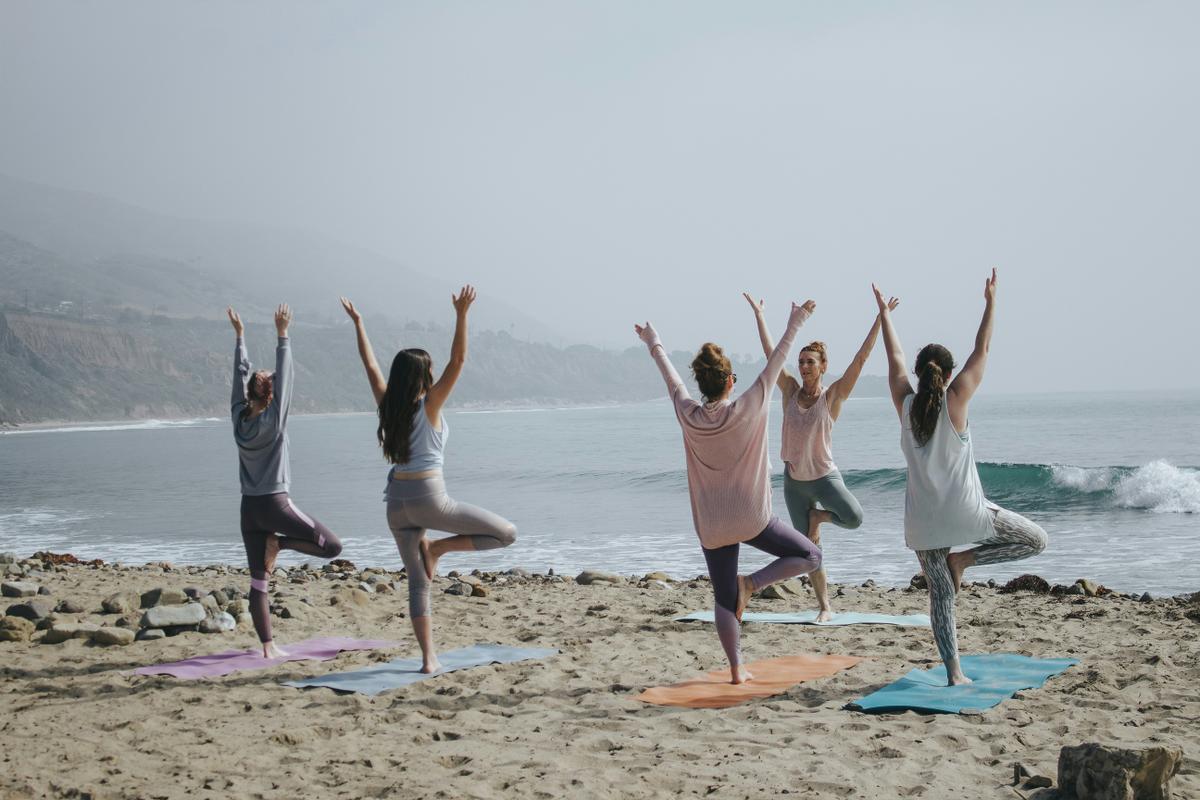
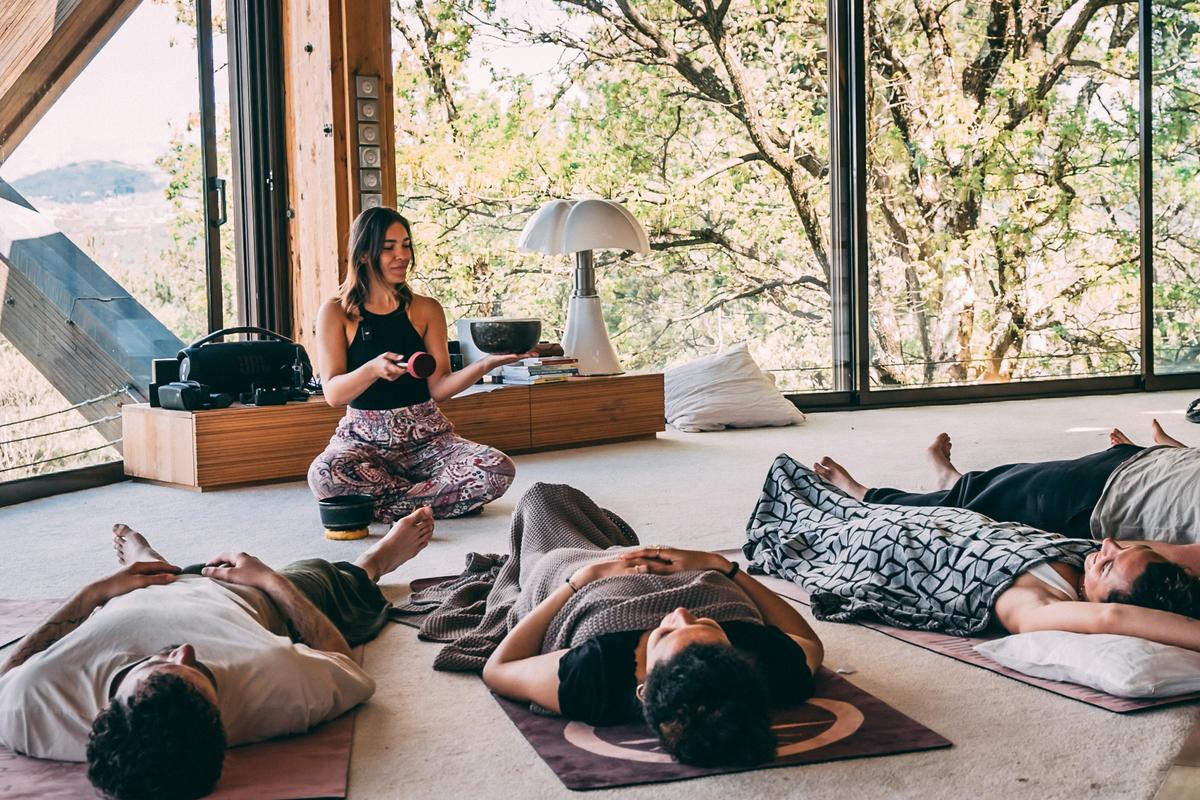
No two retreats have to look alike. At one, you might start the day with yoga, spend the afternoon learning about nutrition, and wind down with a meditation session. Another might be centered on movement, with fitness classes, hiking, swimming, or Pilates on the schedule. Some take a much slower approach, giving guests time to enjoy spa treatments, massages, hot springs, and activities designed to support better sleep.
A retreat doesn't always mean following a packed schedule, either. Some programs keep guests busy from morning to evening, while others leave plenty of room to do your own thing. The setting can be just as varied: a small hotel by the ocean, a wellness center in the countryside, a mountain resort, or a yoga retreat tucked away from the noise of a big city.
What sets a wellness retreat apart from a regular vacation is the intention behind the trip. You choose to spend your time focusing on something that matters to you — whether that's movement, meditation, a break from screens, or the chance to build healthier everyday habits. You might still have a beautiful place to stay and a pool to lounge by, but those aren't necessarily the main reason you came.
Types of Wellness Retreats
Retreats can be organized around a single activity or combine several different approaches to well-being. Here's a closer look at the most common formats and what each one involves.
Spa Retreats and Wellness Resorts
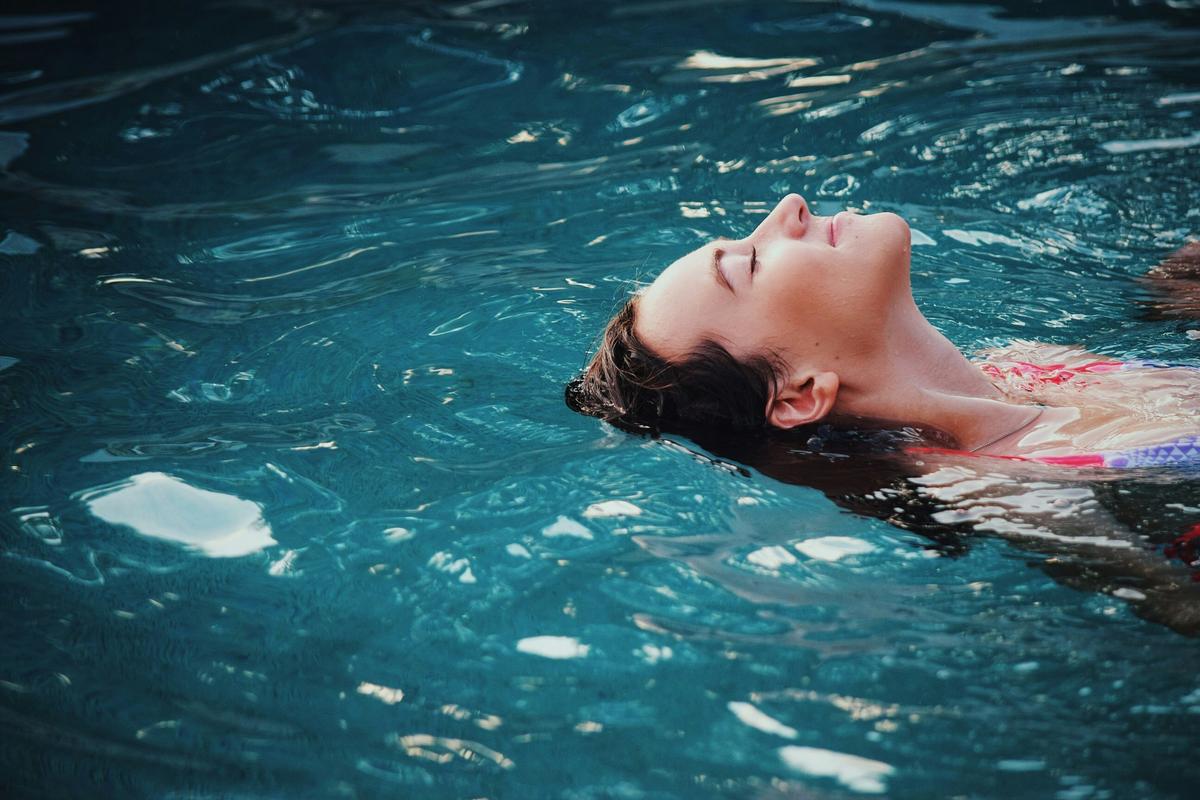
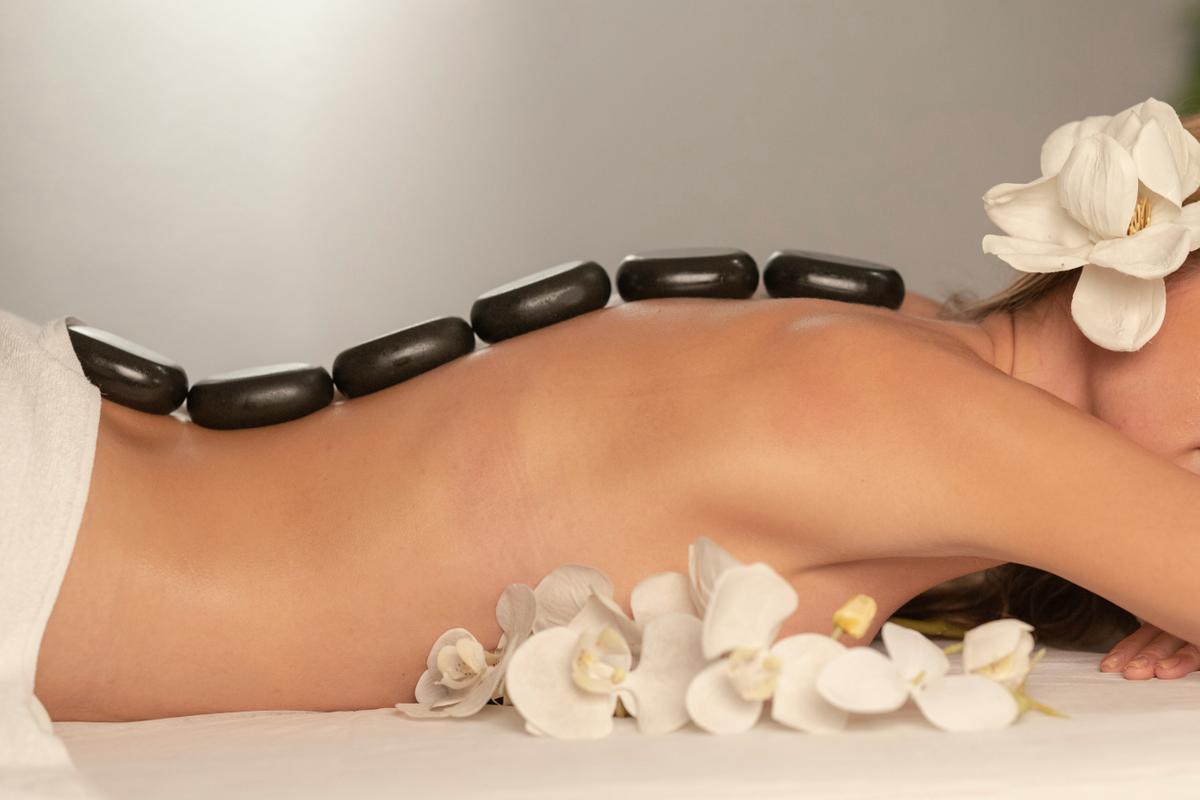
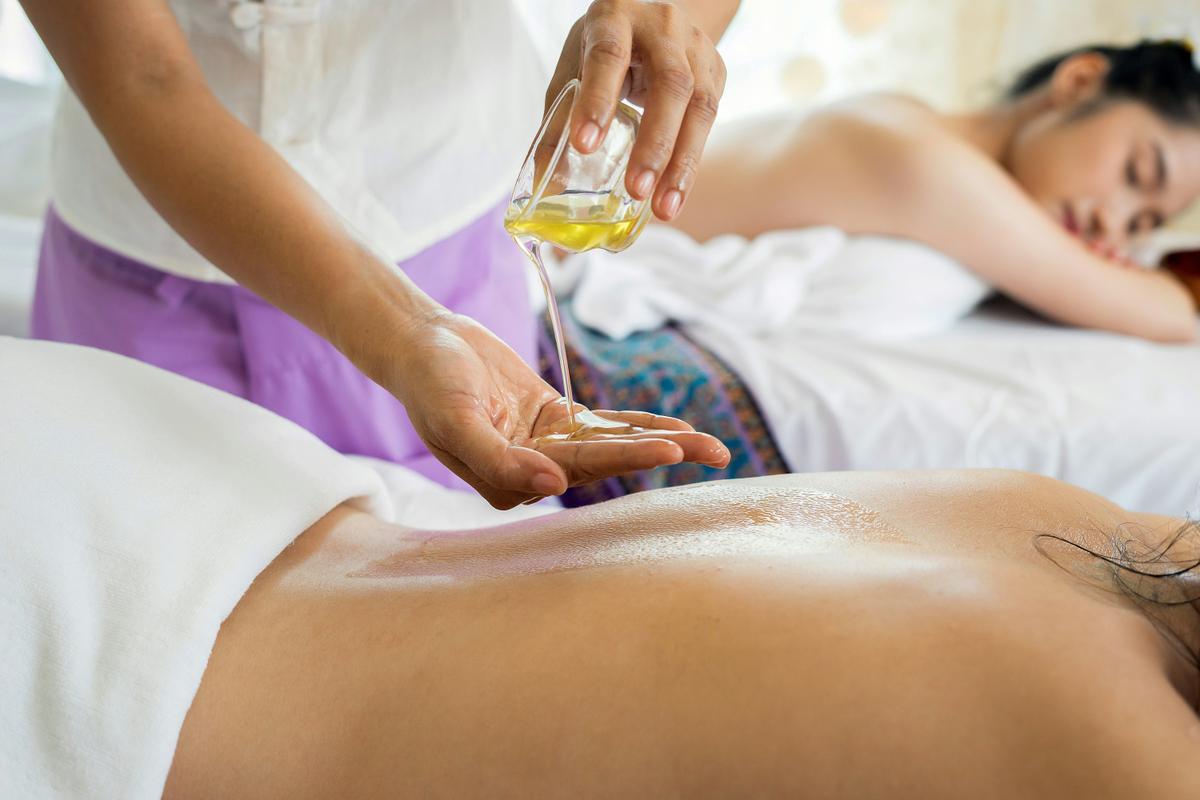
For many travelers, wellness starts with a chance to slow down. Spa retreats offer just that: massages, saunas, thermal baths, swimming pools, and treatments designed to make the stay more relaxing. Some resorts are built around natural hot springs; others have extensive spa facilities of their own.
The experience doesn't always stop at the treatment room. Yoga classes, guided walks, meditation, and nutrition consultations may also be part of the stay.
Yoga, Meditation, and Spiritual Retreats
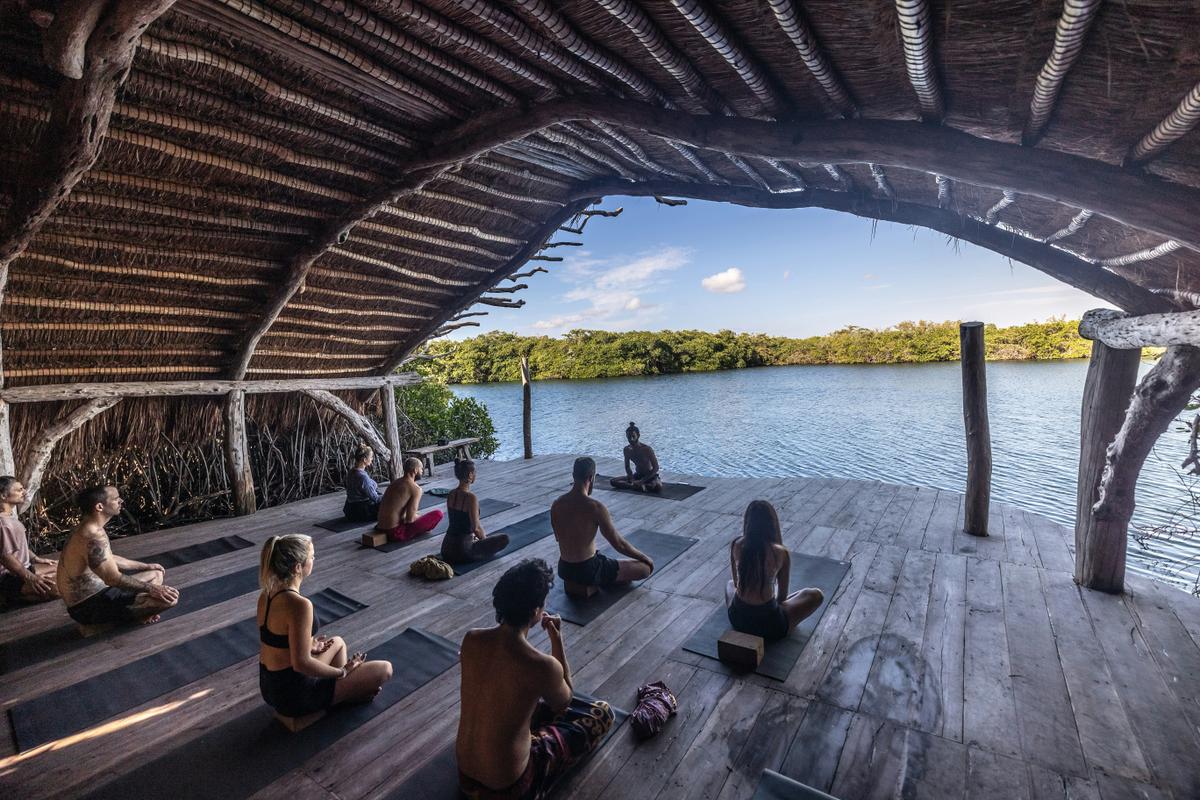
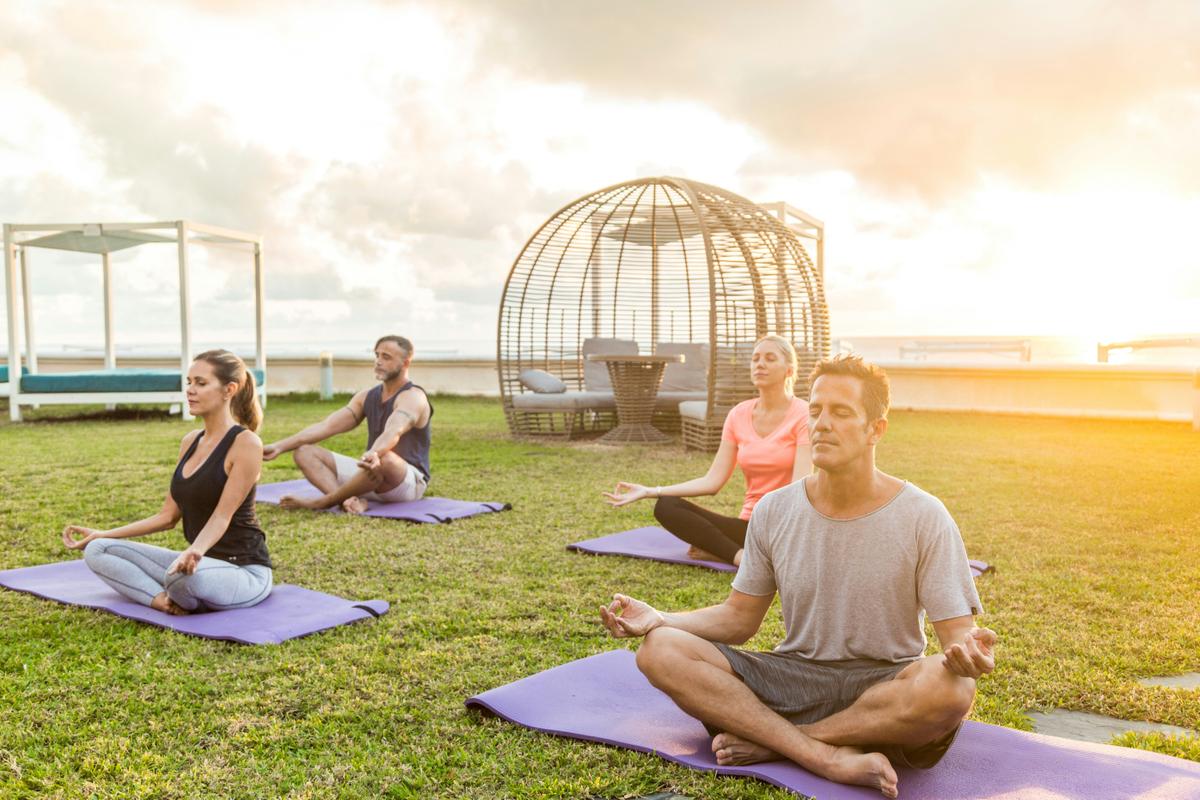
A yoga retreat can be as simple as a morning class followed by a free afternoon, or a more immersive experience with daily practice, meditation, and discussions of yoga philosophy. Meditation retreats place more emphasis on mindfulness and concentration. Some are quiet and contemplative; others combine meditation with movement and breathing exercises.
There are also yoga teacher training programs for those interested in learning how to teach. These usually cover much more than the poses themselves, including anatomy, teaching methods, and yoga philosophy.
Tai chi and qigong retreats offer a different kind of practice. Their slow, controlled movements are combined with breathing and focused attention, making them an option for travelers who prefer a gentler approach to physical activity.
Fitness Retreats and Active Getaways
If sitting by the pool isn't your idea of a perfect vacation, a fitness retreat might be a better fit. These trips make exercise a central part of the experience, with schedules that can include strength training, cardio, functional workouts, stretching, and outdoor activities. Some resemble full-on training camps; others leave more room for rest.
The focus can be quite specific, too. Pilates retreats center on core strength, flexibility, and controlled movement. Dance retreats explore different styles and movement practices, while martial arts programs may introduce participants to tai chi, kung fu, capoeira, or Muay Thai.
Weight loss retreats take a broader approach, often combining exercise with nutrition guidance and support in developing healthier habits. Programs vary widely, so check who's running them and what the schedule actually involves before booking.

Detox and Ayurveda Retreats
Food and daily routines take center stage at many detox retreats. Depending on the program, guests may follow a special menu, attend yoga or meditation sessions, and enjoy spa treatments. Some retreats also include fasting or other dietary restrictions. These approaches aren't suitable for everyone, so it's worth understanding the details before signing up rather than relying on the word detox in the description.
Ayurveda retreats are rooted in India's traditional system of medicine. Treatments may include massage, dietary recommendations, yoga, and meditation. Some centers offer Panchakarma, a traditional program involving a series of Ayurvedic procedures. Standards and practices can differ, so look into the practitioners' training and exactly what's included in the price.

Retreats for Mental and Emotional Well-Being
Sometimes a change of scenery is less about physical activity and more about getting some breathing room. Retreats focused on mental and emotional well-being may include meditation, breathwork, yoga, group discussions, and creative activities. Some are intended as a quiet break after a stressful stretch at work; others focus on self-reflection and personal growth.
Digital detox retreats take a more specific approach: guests put away their phones and step back from social media, email, and constant notifications. The time usually goes toward reading, outdoor activities, conversation, or simply enjoying a few hours without a screen.
These retreats shouldn't be confused with professional mental health care. Anyone considering a program that promises to address trauma, depression, or other serious conditions should check the qualifications of its leaders and the nature of the support provided.
Nature and Adventure Retreats
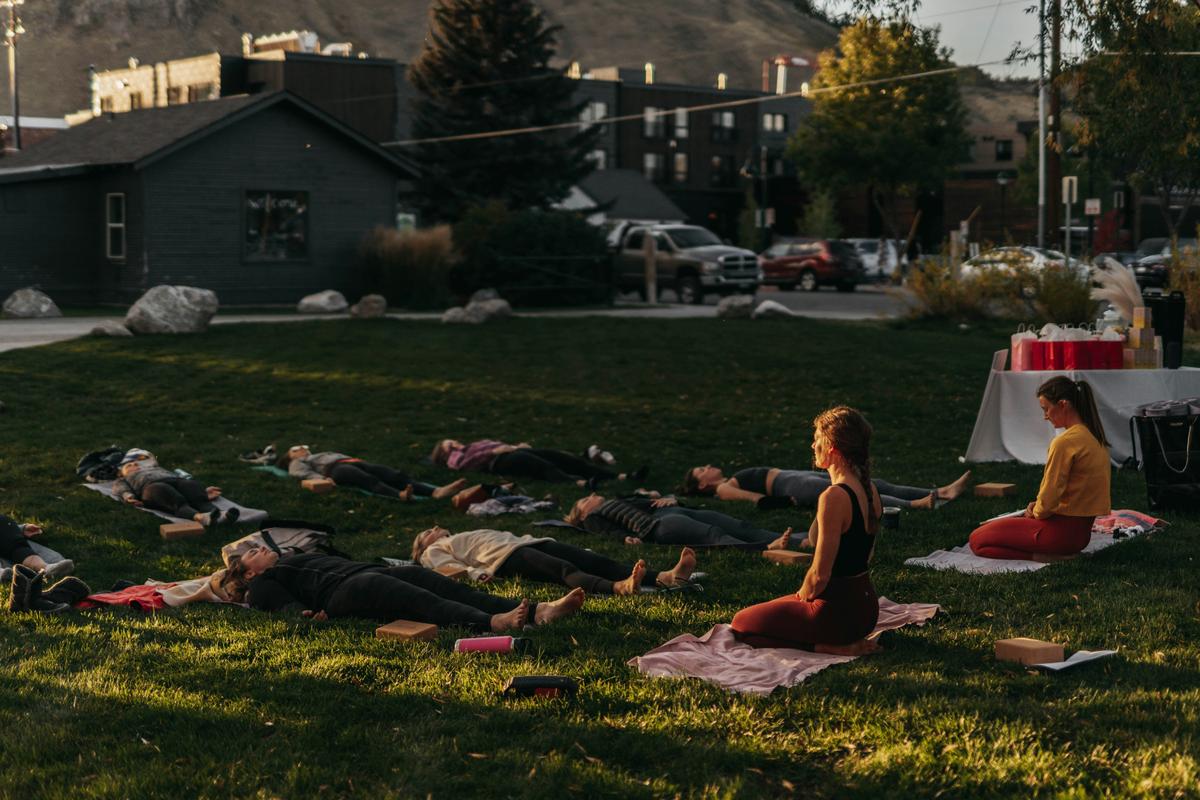
For some, the best reset begins outdoors. Hiking retreats combine time on the trail with the chance to explore a new landscape. Routes might cross mountain passes, forest paths, or coastal scenery. Yoga, stretching, and breathing exercises sometimes round out the day.
Forest bathing, or shinrin-yoku, is a quieter way to spend time in nature. Originating in Japan, the practice is about slowing down and paying attention to the forest around you — its sounds, scents, and changing light. There's no set distance to cover and no fitness goal to reach.
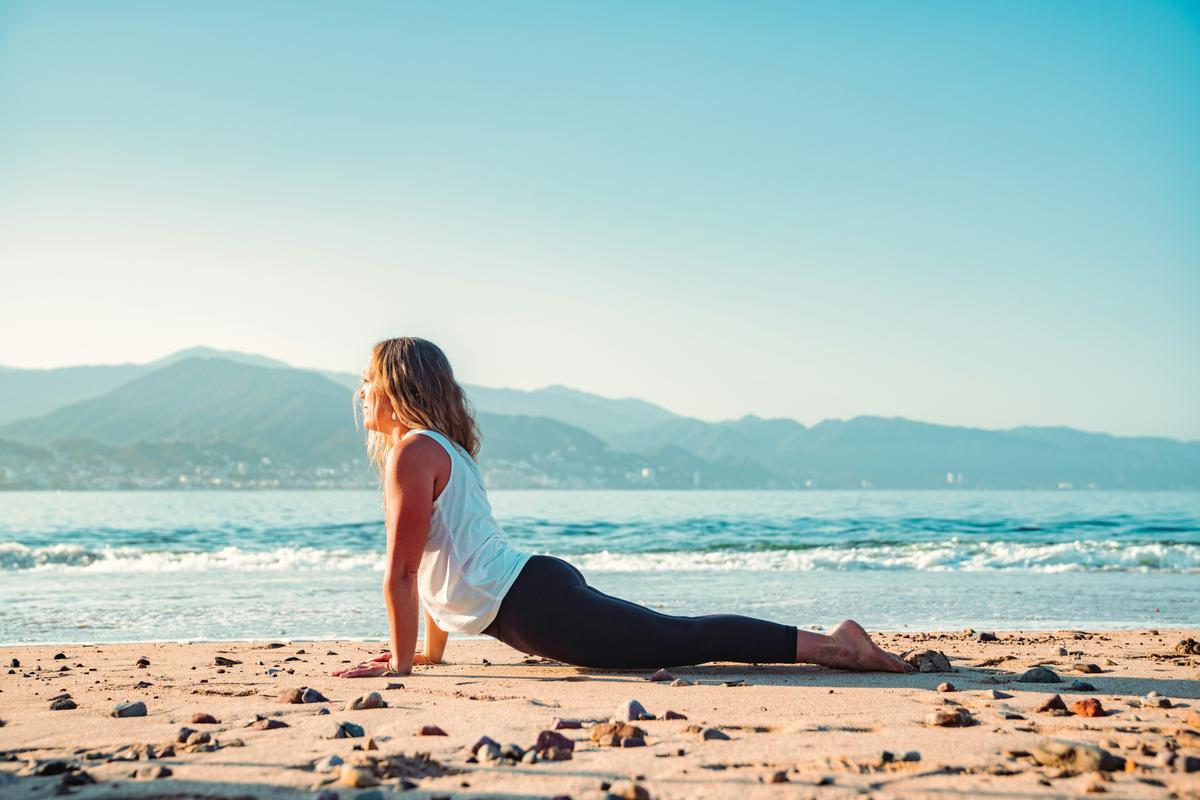
And then there are surf and wellness retreats. Alongside surf lessons, a program might include beach yoga, breathwork, recovery sessions, and balanced meals. It's a good fit for travelers who want an active trip by the ocean without making surfing the only thing on the schedule.
Wellness Retreat Benefits: What Can You Really Expect?
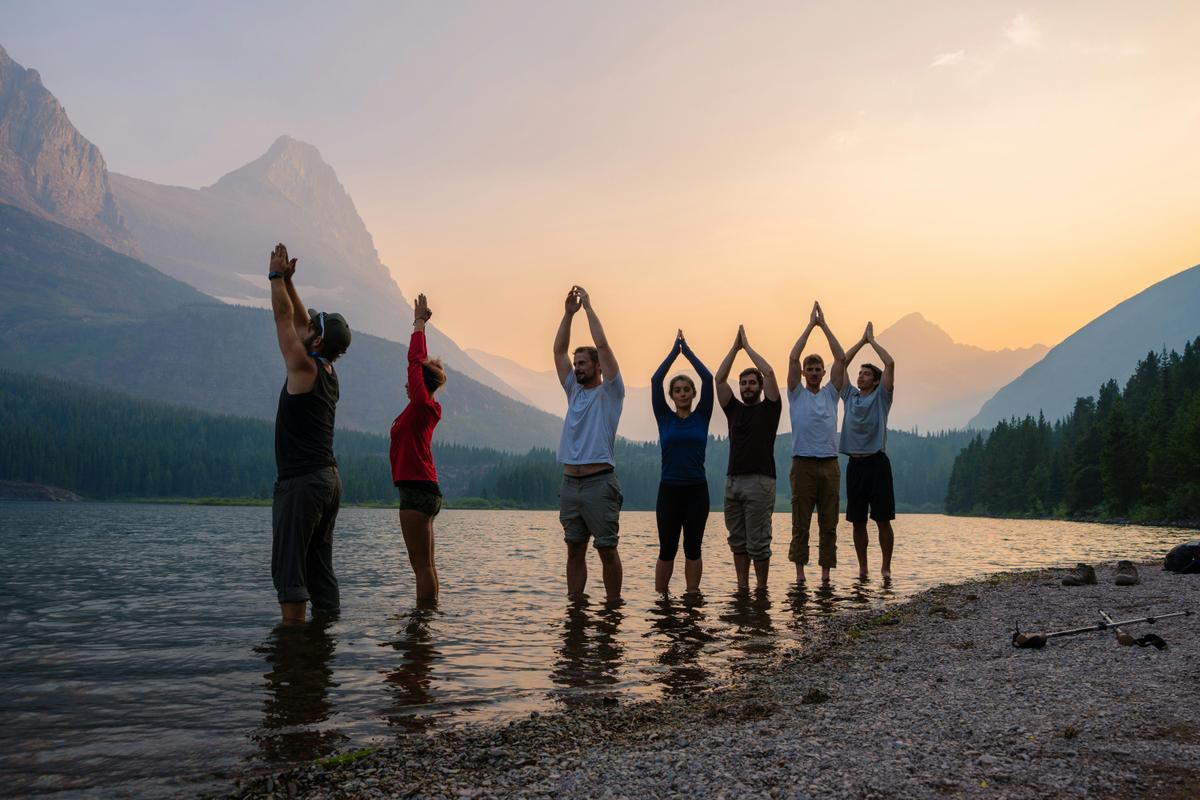
A wellness retreat can appeal for very different reasons. After a demanding stretch at work, a few days without emails, meetings, and constant notifications may sound like a relief. You might want to get back into exercise, try meditation, or simply spend a vacation at a slower pace than usual.
One of the nicest things about a retreat is the change in routine. Instead of rushing out the door in the morning, you might start the day with a walk or a yoga class. The rest of the day could bring a swim, a spa treatment, a hike, or a long breakfast with nowhere else to be. That shift in pace can make it easier to give attention to things that often get pushed aside.
The physical side of the experience matters, too. Depending on the program, you might spend more time walking, swimming, hiking, or working out. Regular physical activity is associated with better sleep, lower anxiety, and improved overall health. That doesn't mean you need an intense fitness retreat to get something out of it. A few walks, a swim, or classes suited to your fitness level can be a good place to start.
A retreat can also introduce you to something you haven't tried before. You might discover a style of yoga you enjoy, learn a few basic meditation techniques, or pick up ideas for preparing more balanced meals at a cooking workshop. Some of these experiences may stay with you long after the trip, becoming part of your routine back home.
And sometimes, the setting itself is a big part of the appeal. A mountain trail, a quiet forest, or a few days by the ocean can offer a welcome change of pace. You don't have to chase personal records or fill every hour with activities. There are days when a leisurely walk and a good view are more than enough.
Still, it's worth keeping your expectations realistic. A single retreat won't necessarily solve ongoing health problems, make stress disappear, or transform your habits overnight. Much depends on the program, how demanding it is, and what you hope to get from the experience. Think of it as a chance to rest, explore something new, and give yourself a little more attention. If you come home with one or two habits you'd like to keep, that's a worthwhile outcome in itself.
Wellness Retreat vs. Wellness Vacation vs. Wellness Resort: What's the Difference?
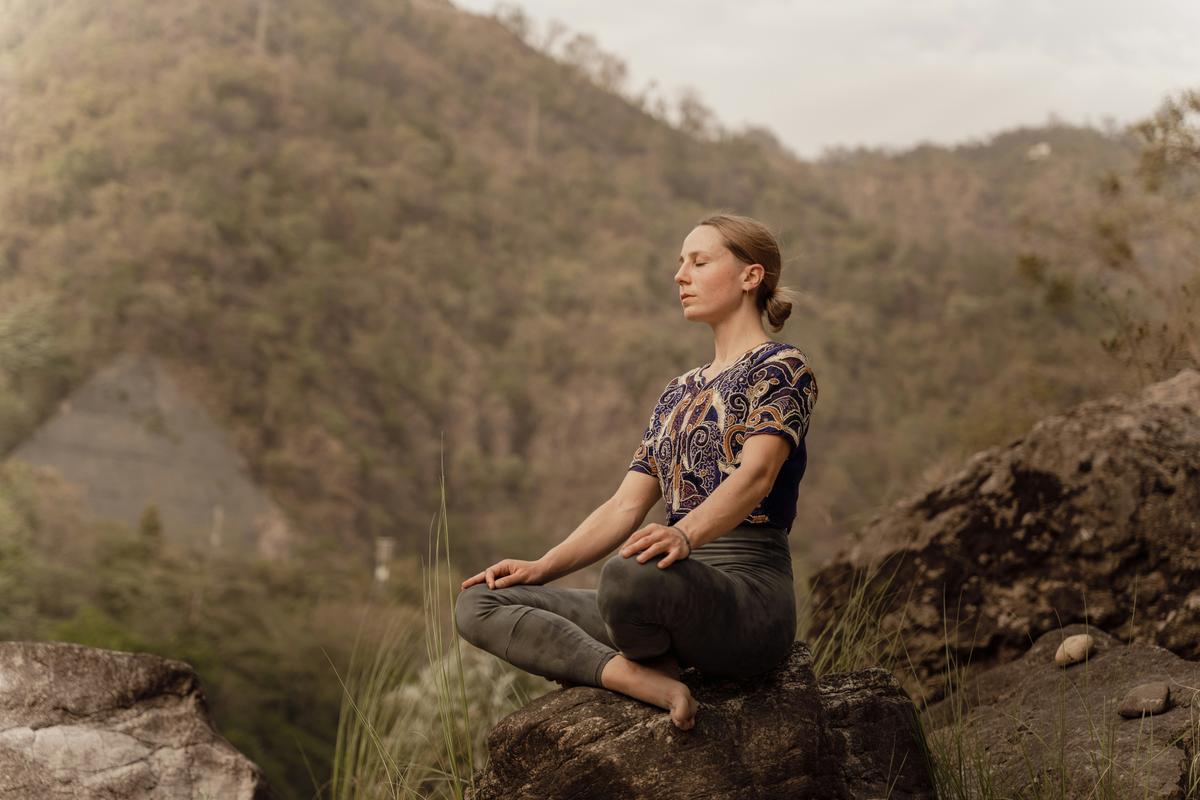
When browsing wellness travel options, you'll often come across three terms: wellness retreat, wellness vacation, and wellness resort. They sound similar, and there's some overlap, but they don't mean quite the same thing. One refers to an organized program, another to the way you choose to spend your trip, and the third to the place where you stay.
Wellness Retreat
A wellness retreat is built around a planned program, usually lasting several days. Guests come with a particular interest or goal, and the schedule is typically put together by the organizers or instructors. It might include group classes, workshops, workouts, spa treatments, or other activities.
Take a weeklong yoga retreat in Bali, for example. Mornings might begin with yoga, followed by meditation, talks on yoga philosophy, and some free time to explore or relax. You don't have to plan every day yourself — the main activities are already arranged.
Retreats can be held in hotels, countryside centers, or dedicated venues. They may be group experiences or privately organized stays. What defines them is the program, not the venue.
Wellness Vacation
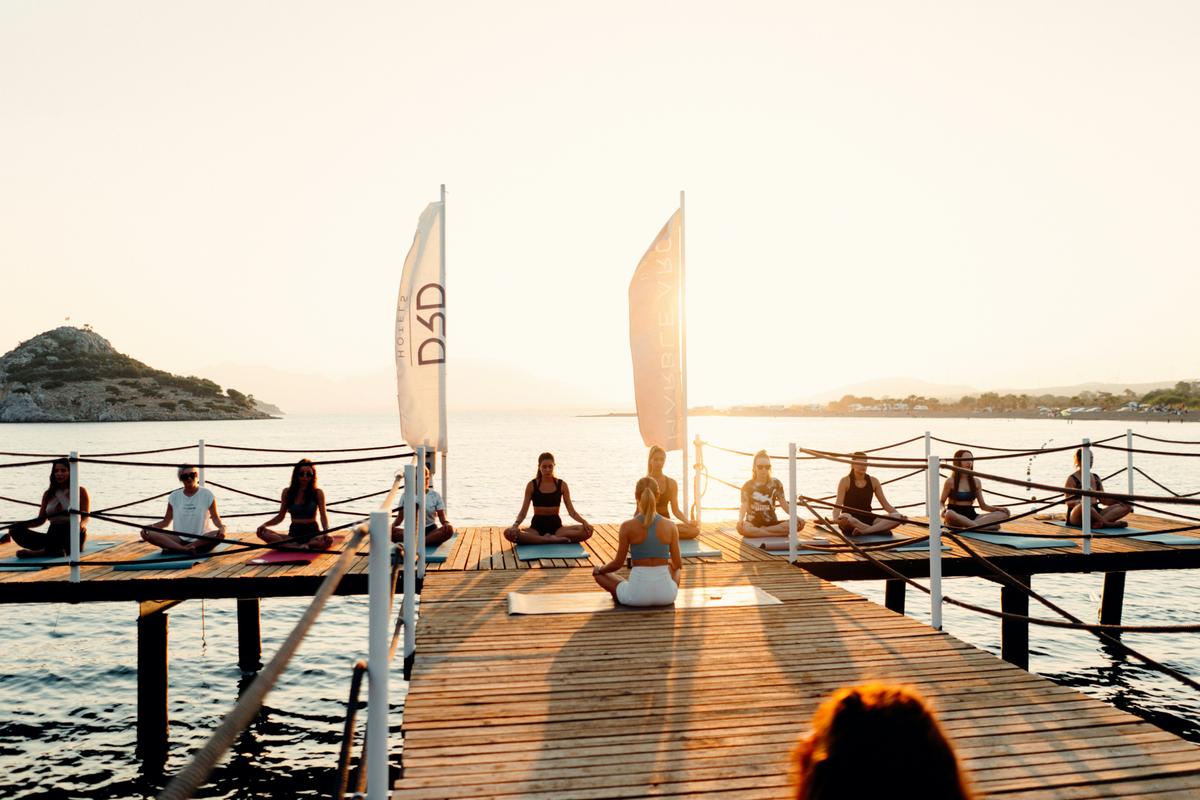
A wellness vacation gives you much more freedom. You decide what your trip looks like, whether that means booking a spa hotel, staying at a resort with thermal pools, or heading to the coast for yoga and fitness classes.
There's no set schedule to follow and no requirement to join group activities. You could spend one day getting a massage and relaxing by the pool, take a long walk the next, and do absolutely nothing the day after. It's your vacation, so you set the pace.
A wellness vacation can also include a retreat. For instance, you might spend two weeks at a resort and join a five-day meditation program halfway through your stay.
Wellness Resort
Unlike the other two, a wellness resort is a place rather than a type of trip or program. It's a resort designed around guest well-being, with wellness services and facilities playing a central role in the experience.
Depending on the property, you might find spa and fitness facilities, swimming pools, yoga spaces, restaurants with balanced menus, and dedicated wellness programs. Some resorts also offer consultations, multi-day packages, and hosted retreats.
A regular hotel doesn't automatically become a wellness resort just because it has a gym and a massage room. The difference is how central wellness is to the property's overall concept and guest experience.
Put simply, a wellness retreat is an organized program, a wellness vacation is a way to spend your time away, and a wellness resort is a place designed for that kind of getaway. They can easily overlap: a retreat may take place at a wellness resort, while a wellness vacation can include a few days of structured activities.
How to Choose the Right Wellness Retreat
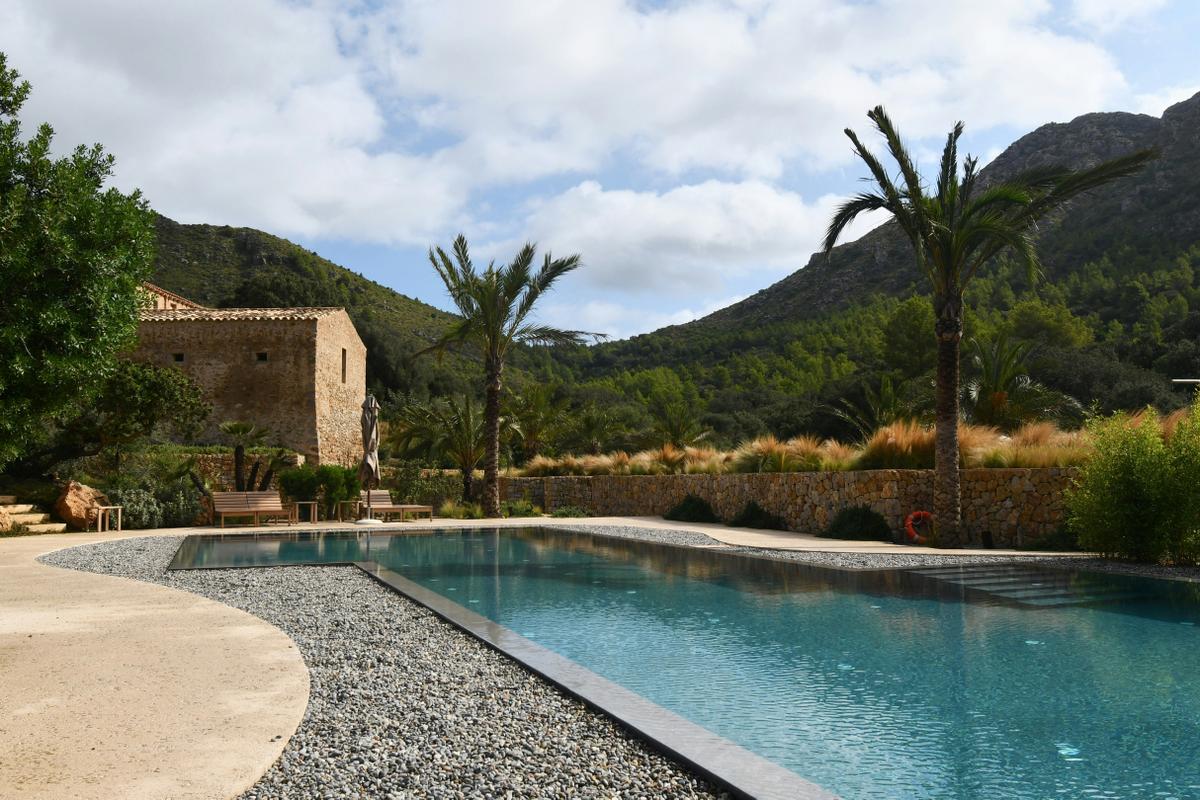
At first glance, many wellness retreats look pretty similar: cozy rooms, pools overlooking the mountains, yoga classes by the ocean. But the experience behind those photos can be very different. One retreat might start with an early morning workout and keep guests busy all day. Another may offer a relaxed schedule with spa treatments and plenty of downtime. Before booking, think about what you actually want from the trip, not just how appealing the destination looks.
Start With What You Want From the Trip
Are you hoping to unwind and take a break from work? Curious about yoga or meditation? Looking to get more active, spend time outdoors, or go a few days without your usual screen time? Having a clear idea of what matters to you will make it easier to narrow down the options.
You don't have to commit to a highly specialized program, especially if this is your first retreat. A more flexible experience that combines relaxation, light exercise, and a few wellness activities can be a good way to see what you enjoy.

Look Beyond the Name of the Retreat
A program called a yoga retreat could mean a couple of beginner-friendly classes throughout the week or several hours of daily practice. The same goes for fitness, meditation, and detox programs. The label doesn't always tell you much about what the days will actually look like.
Take a look at the daily schedule. How many classes are included? How long do they last? Is the program physically demanding? Will you have time to explore the area or simply relax? If the organizer hasn't shared these details, ask for a full itinerary before booking. It's also worth checking whether all activities are included in the price.
Get to Know the Organizers and Instructors
The people leading a retreat can make a real difference to the experience. Look into their background, training, and hands-on experience. Yoga and fitness instructors should have relevant qualifications and teaching experience. If a program involves nutrition advice, mental health, or specific health conditions, pay close attention to the credentials of the professionals involved and what they're qualified to offer.
Reviews from previous guests can help fill in the gaps. Don't just look at the overall rating. Read what people say about the actual program, the accommodations, the instructors, and how the organizers handled questions or unexpected problems.
Think About the Location and Lodging
A beachfront yoga retreat, a mountain lodge, and a quiet spa hotel in the countryside offer very different experiences. Think about the kind of setting where you'd feel most comfortable.
And don't rely on photos alone. Check the exact location, how to get there, and how far it is from the nearest airport or town. A remote setting can be part of the appeal, but it may also mean limited access to shops, restaurants, or transportation.
Your accommodations matter, too. Look beyond the room type and whether the property has a pool. Check the meal arrangements, whether private rooms are available, what facilities you'll have access to, and whether the overall setup suits your needs.

Check What's Included in the Price
One retreat may include lodging, meals, classes, treatments, and airport transfers. Another may charge extra for some of those things. Airfare and transportation to the venue are often separate, too.
Read the booking conditions carefully. Find out which activities cost extra, whether travel insurance is included or needs to be arranged separately, and what happens if you need to cancel. For international trips, check visa requirements and any documents you'll need before departure.
A higher price doesn't automatically mean a better experience. What matters is knowing exactly what you're paying for and whether the program offers good value for what you want.
Choose a Length and Pace That Work for You
Before booking, look beyond the total number of days and consider how the program is paced. A retreat with several hours of daily classes can be demanding, even if it lasts only a few days. Make sure the schedule leaves enough room for rest and fits the level of activity you're comfortable with.
Be Honest About Your Experience and Health
Not every retreat is designed for beginners. Some expect participants to have a certain level of fitness or previous experience with yoga, meditation, or other practices. If the description mentions terms like intensive, advanced, or experienced practitioners, check the entry requirements before signing up.
Let the organizers know about any dietary restrictions, mobility needs, or other considerations that could affect your stay. If the program involves strenuous exercise, fasting, restrictive diets, or specialized treatments, talk to a healthcare professional beforehand if you have a medical condition or aren't sure whether it's suitable for you.
A wellness retreat shouldn't feel like a test of endurance. The right program is one that respects your limits and gives you room to enjoy the experience at your own pace.

How Long Does a Wellness Retreat Last? From Weekend Getaways to Longer Programs
Wellness retreats vary in length. Some are designed as a quick weekend escape, while others run for a week or two — sometimes longer. The ideal length depends on the type of retreat and what you want to get out of it. A couple of days may be enough to enjoy a spa break or try yoga for the first time. More intensive programs, especially those focused on learning a new practice, usually call for a longer stay.
Weekend Retreats (2–3 Days)
A weekend retreat is a good way to try something different without taking a full week off. You could spend a couple of days at a spa, join a few yoga classes, head to the countryside, or get out into nature. These shorter trips are often an easy way to take a break from work and everyday routines without having to plan a long vacation.
Retreats Lasting 5–7 Days
A full week gives you more time to settle into the experience. You can try different activities, get used to a new daily routine, and still have time to rest between sessions. Yoga, fitness, meditation, and detox retreats often run for this length of time.
A week can also make more sense when traveling abroad. It gives you enough time to settle in, enjoy the destination, and take part in the program without feeling rushed.
Retreats Lasting 10–14 Days or Longer
Longer retreats tend to suit travelers who want to explore a particular practice in greater depth. Ayurveda programs, intensive yoga courses, teacher training, and retreats with a full schedule of daily sessions may all require a longer commitment. Having more time can also mean less pressure to fit everything into a few days.
That said, a longer stay deserves a little more thought. Consider how demanding the schedule is and what the accommodations are like. Daily workouts or several hours of classes may become tiring, particularly over two weeks. Having some free time — and room to adjust the schedule when needed — can make a real difference.
There's no ideal retreat length that works for everyone. A weekend or a few days is often enough for a first experience. And if you find a practice or format you really enjoy, you can always make a longer retreat your next trip.
Where to Go for a Wellness Retreat: Popular Countries and Destinations
The destination can shape the entire retreat experience. Local traditions, climate, landscapes, and nearby activities all influence the programs available and the atmosphere of a stay.
India
India is a natural choice for travelers interested in yoga, meditation, and Ayurveda. Kerala, in the country's southwest, is particularly well known for its Ayurvedic centers and resorts. Many combine traditional treatments with yoga classes, meals tailored to the program, and time to unwind among tropical greenery and peaceful backwaters.
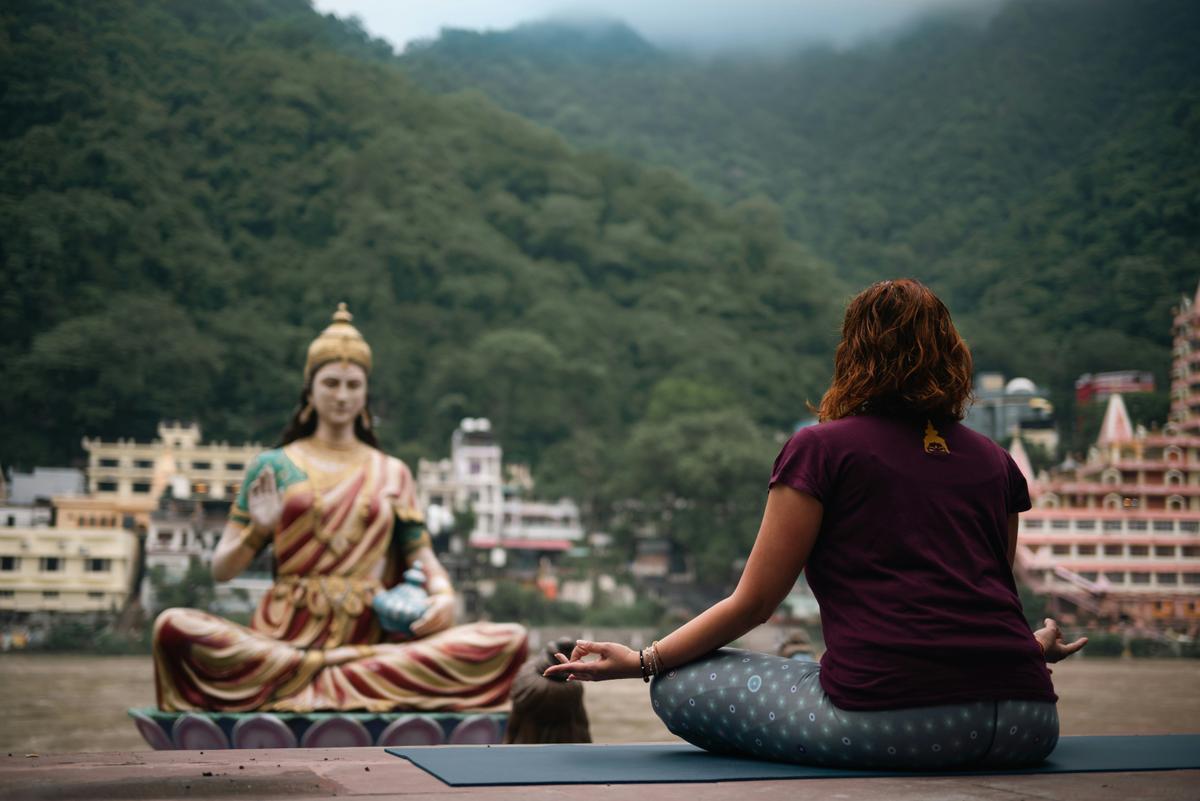
Another popular destination is Rishikesh, a town in the foothills of the Himalayas. Set along the Ganges River, it's known for its ashrams, yoga schools, and meditation centers. Visitors come from around the world to study yoga, explore its philosophy, or spend time in a more contemplative setting.
Thailand
Thailand has a wide range of wellness options, from quiet yoga and meditation centers to larger resorts with extensive spa facilities. Depending on the property, a stay might include Thai massage, fitness classes, wellness-focused meals, and time to relax by the sea. Many retreats are based on the islands or along the coast, where days can be split between scheduled activities and time on the beach.
Some resorts also offer more specialized packages focused on sleep, weight management, or getting back into a healthier daily routine.
Indonesia and Bali
Bali has become a familiar name among wellness travelers. People come for yoga retreats, meditation, spa treatments, and opportunities to experience local wellness traditions. Around the island, you'll find everything from small retreat centers tucked among rice terraces and tropical forests to larger resorts with full schedules of classes and treatments.
Combining yoga and surfing is another popular option. You might start the morning with a class overlooking the ocean, then head to the beach for a surf lesson or some time in the water. It's an appealing option for anyone who wants an active coastal getaway without spending the entire trip on a surfboard.

Costa Rica
Costa Rica is worth considering if you'd rather spend your time outdoors. Rainforests, Pacific beaches, volcanic landscapes, and geothermal hot springs give the country plenty of variety. Yoga retreats here often combine classes and meditation with hiking, surfing, and time in nature.
The Nicoya Peninsula is another destination that attracts attention. It's one of the five original Blue Zones, a term used for regions known for their unusually high numbers of long-lived residents. The area's landscapes and laid-back coastal communities add to its appeal. The Blue Zone designation, however, reflects the longevity of local residents, not a health benefit visitors can expect from a short stay.
Japan
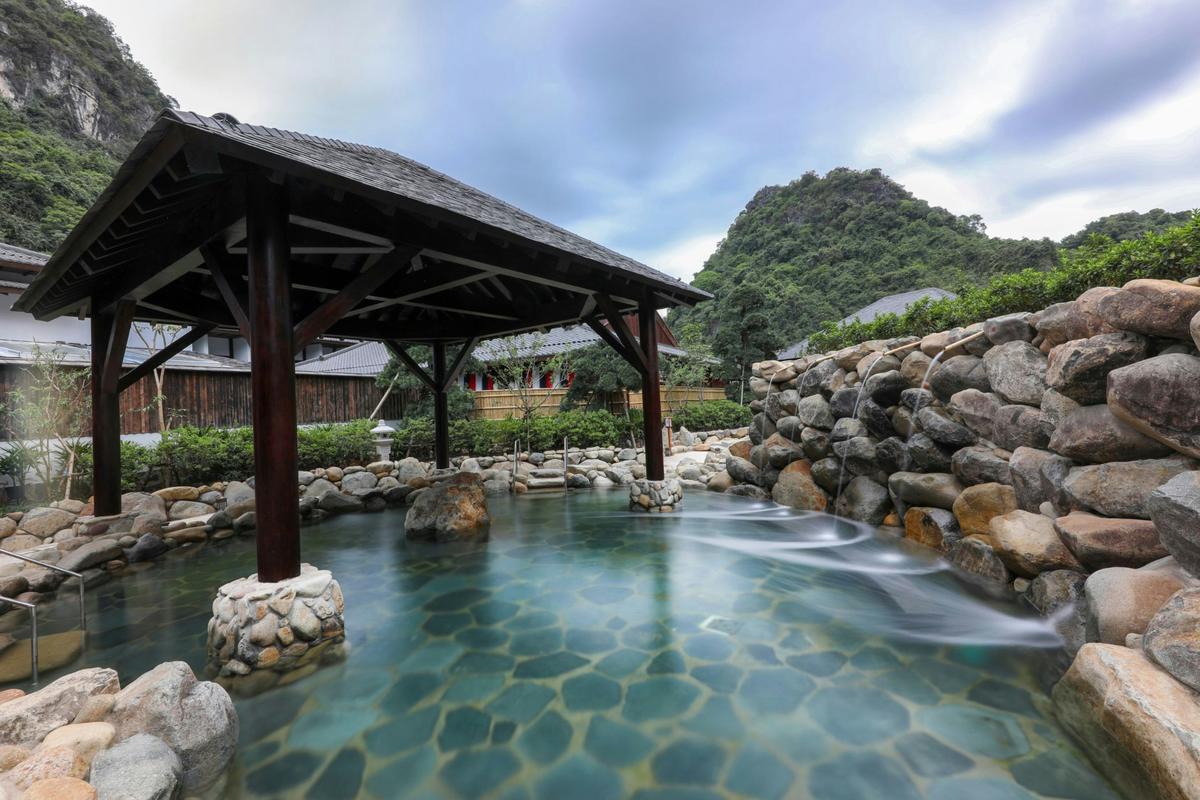
In Japan, wellness experiences are often closely connected to local traditions and the natural environment. A trip might include a stay at a traditional ryokan (Japanese inn), a visit to an onsen (hot spring bath), and walks through forests or mountain landscapes.
One practice worth exploring is shinrin-yoku, or forest bathing. The idea is simple: spend time in the forest without rushing, paying attention to the sounds, scents, and details around you. It doesn't involve covering a certain distance or following a demanding hiking route. You can walk slowly, stop along the way, or simply sit and take in your surroundings.
Europe
Europe offers plenty of options for a wellness-focused trip, too. Portugal's Atlantic coast, particularly around the Algarve and Alentejo, has retreats that bring together yoga, surfing, and time outdoors. Iceland takes a different approach, with geothermal pools and spas set against volcanic landscapes.
On Ireland's west coast, visitors can try traditional seaweed baths, a long-standing part of the country's coastal bathing culture. Wales, meanwhile, is a good choice for travelers who find their ideal getaway on foot. Its walking routes pass through mountains, national parks, forests, and dramatic stretches of coastline.
The list doesn't end there. Switzerland and Austria have mountain spa resorts, while Italy and Greece offer coastal and countryside escapes. Sri Lanka and the Maldives are also worth exploring for tropical stays with yoga, spa treatments, and time by the water.
Ultimately, the right destination depends on the kind of experience you're looking for. You might want to spend a week by the ocean, explore a wellness tradition you've never tried, get more active outdoors, or simply find somewhere peaceful to step away from your usual routine.
Final Thoughts
There's no single formula for a wellness getaway. The best choice is simply one that fits the way you want to spend your time away.
At Wellness Tours Club, you can explore wellness trips and retreats from trusted organizers around the world. Browse the programs, compare your options, and find a destination that feels right for you. Your next trip might be more than just a change of scenery — it could introduce you to experiences and habits you'd like to bring home.